.png)



.webp)

.png)
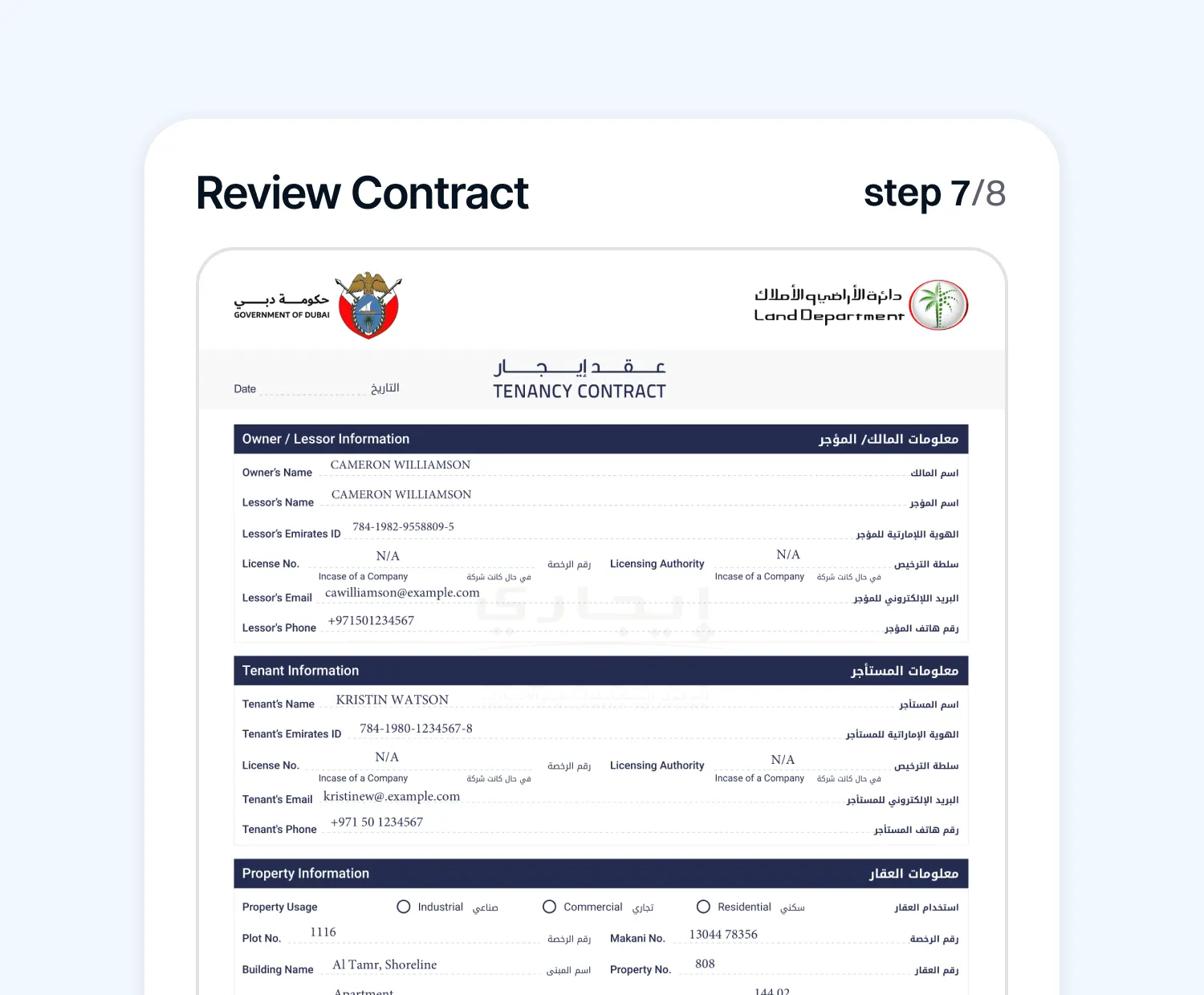
Yes. A tenancy contract is valid when it contains the required details and is signed by both parties. Contracts created on Habi follow the standard Dubai format and are used for Ejari registration.
Contracts created on Habi follow the current RERA-standard format, and the flow requires every field Ejari needs. Acceptance also depends on the accuracy of the details you enter: check that names, Emirates ID, and property details match your documents, and sign as your name appears on your ID.
Yes. You enter the tenancy details once, and the contract is created in the standard format. As long as you set the conditions the landlord and tenant agreed for the renewal, that is all: the flow covers the additional terms typical for Dubai, and you can add custom conditions. Your details are securely stored for future renewals.
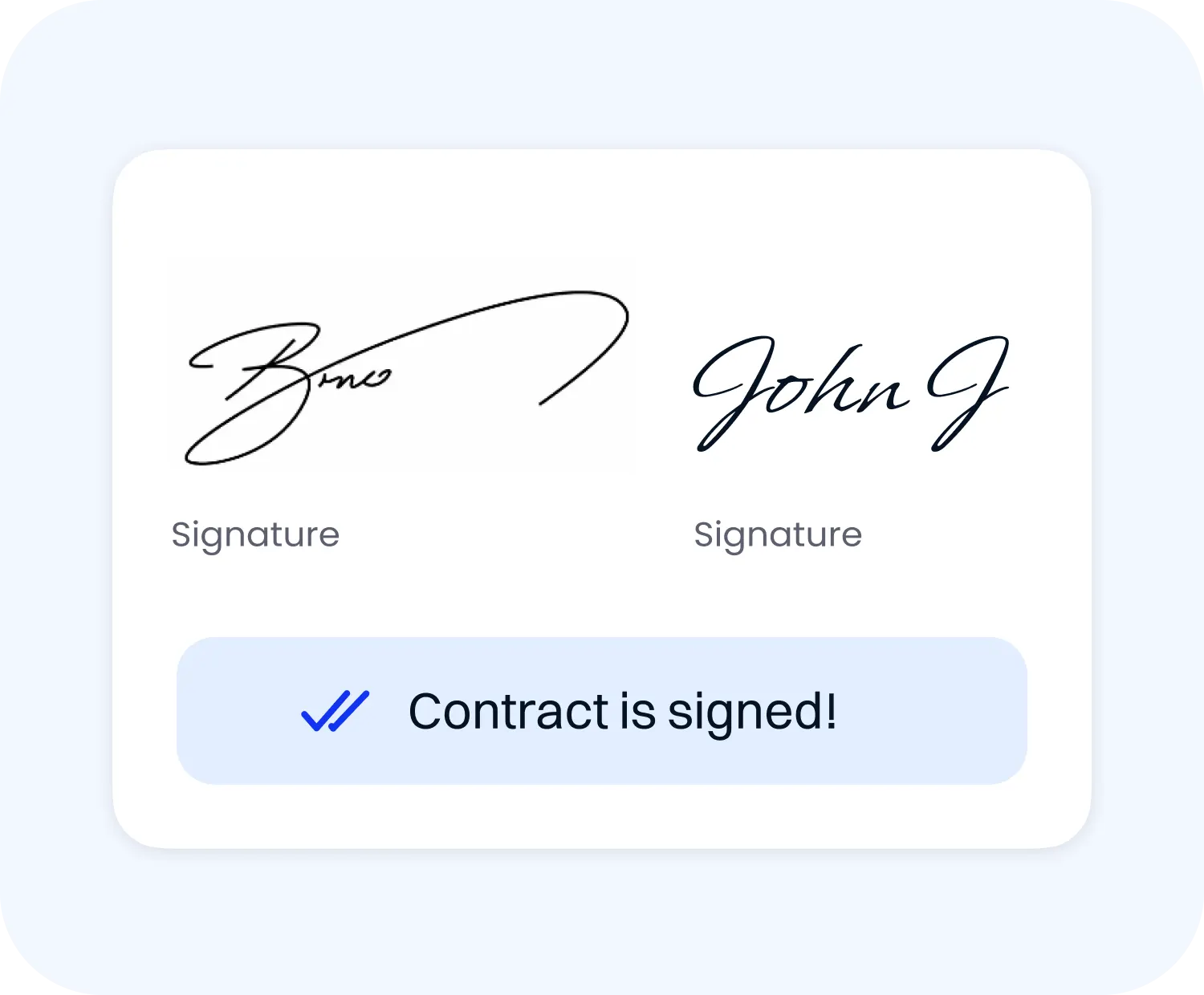
Yes. Either landlord or tenant can start the renewal and share it with the other party. Both parties sign the contract.
No. You can invite them to review and sign on Habi, or send a signing link that needs no account. You can also download the contract and sign it on paper.
Yes, if both parties agree, in accordance with the law: changing a term at renewal, including rent, requires at least 90 days' written notice before expiry. On Habi you update the changed terms and the rest stays the same, unless the parties agree otherwise.
Agree the renewal terms with the other party no later than 90 days before your contract expires. The contract itself is usually prepared about a month before expiry.
No. You are not required to use an agent. You can renew the contract yourself on Habi and complete the entire process online.
Creating and signing the contract on Habi is free of charge. Ejari renewal, if you apply through Habi, is AED 299 with the government fee, service fee, and VAT included. You can also renew Ejari through any other channel; the contract you sign on Habi works with all of them.
.webp)
.webp)